 BiCupid
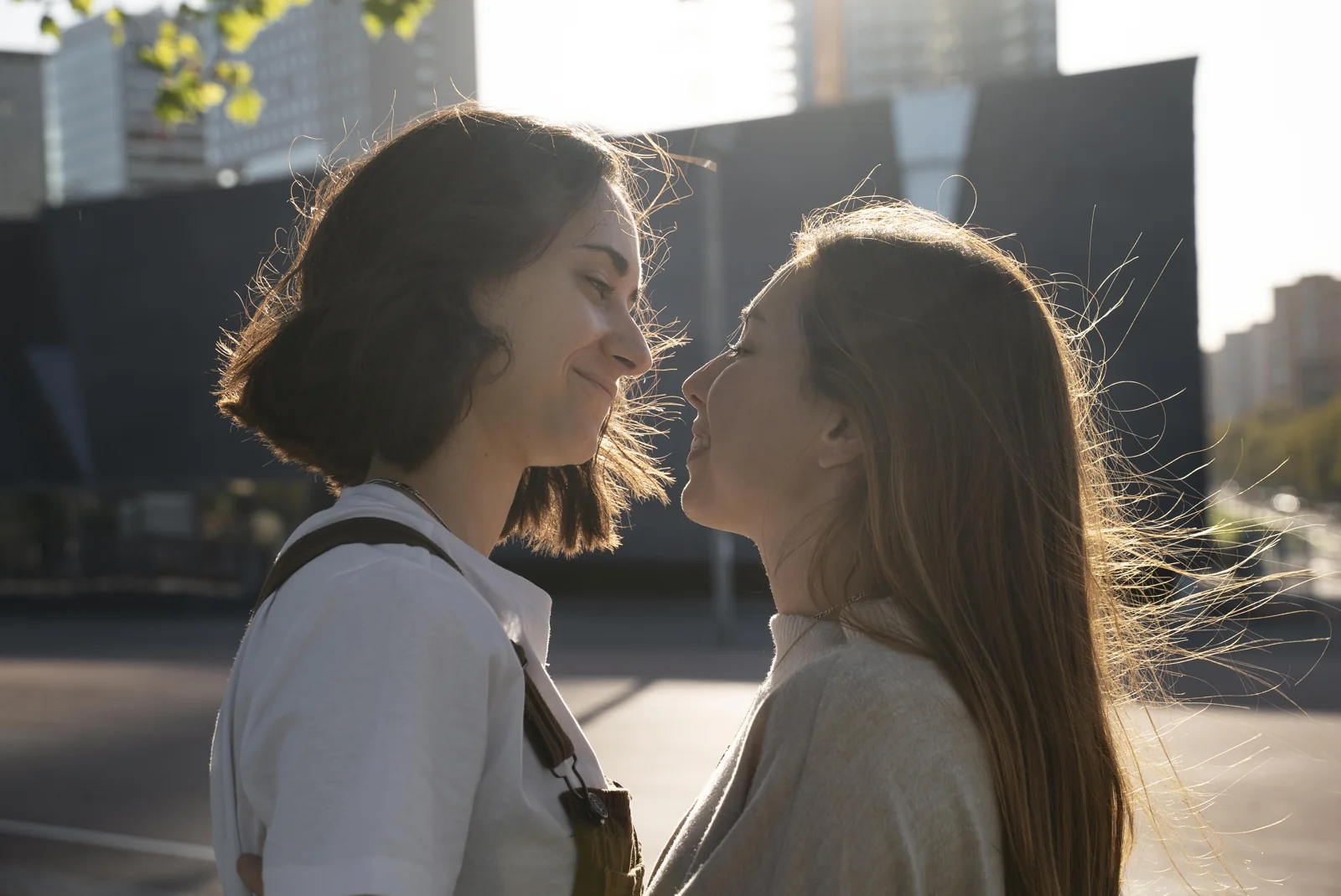
A first date should make it possible to enjoy someone's company and notice whether you would like more time together. The best first date ideas for bisexual singles do not depend on a special activity that proves identity. They depend on a venue where both people feel welcome, enough quiet to talk, a manageable cost, and an easy way to end or extend the meeting.
You might be meeting a woman, a man, or a nonbinary person. Ask what would feel comfortable for both of you rather than selecting a venue from a stereotype about the pairing. A good plan comes from your shared interests and practical needs, including whether either person wants to avoid photographs, busy nightlife, alcohol, or an inaccessible route.
First-Date Venues Where Bisexual Singles Can Be at Ease
Choose a venue that supports a relaxed conversation and ordinary respect for your date. A place that markets itself as inclusive may be a useful starting point, but check current details and your own comfort. Think about how you will be greeted, whether the seating works for conversation, and whether you can arrive and leave independently.
Discuss preferences before making a reservation. “Would you prefer somewhere familiar, or would you enjoy trying a new café?” lets your date share a practical concern without a lengthy explanation. If either of you would rather avoid a place near work or a social circle, respect that preference and suggest another option.
Do not make public affection a test of confidence. You can enjoy a date without holding hands or appearing in a posted photo. If visibility is complicated, make LGBTQ+ dating privacy part of your planning before choosing a venue. The venue choice should support the meeting you both want, not force a disclosure decision that one person did not expect to make.
Make a Café Date More Than a Waiting Room
A café works well when you choose it for conversation rather than treating it as a default appointment. Look for a moderate noise level, comfortable seating, and options that do not require either person to buy more than they want. A planned hour can feel more manageable than an open-ended meal.
Give the meeting a small personal connection. If you have talked about reading, choose a café near a bookshop and keep a browsing visit optional. If your date likes tea, suggest somewhere with a good tea menu rather than assuming coffee is necessary. You are showing attention to something they said, not trying to create an elaborate romantic gesture before you know each other.
An invitation could be: “Would you like to meet for tea on Sunday afternoon? I have about an hour, and there's a bookshop nearby if we both feel like browsing afterward.” The optional second activity makes continuation a mutual decision. It also gives you a natural ending if the meeting is pleasant but neither person wants a longer date.
Try a Small Exhibition With Room for Conversation
A small exhibition gives you shared material to discuss without demanding uninterrupted eye contact. Choose a venue that permits conversation and has a clear meeting point. A huge museum can be tiring and difficult to navigate; one focused exhibition can be enough for a first meeting.
Use the exhibits as prompts rather than a quiz. Ask which piece your date would live with, what surprised them, or whether they prefer looking slowly or moving quickly. You can disagree about an object without turning the discussion into a test of taste. A good conversation reveals how you respond to each other, not who has more expertise.
Check entry costs, opening hours, and accessibility before you propose it, then offer the details simply. If your date does not enjoy exhibitions, accept that and choose something else. A shared interest from the profile can suggest a more suitable activity; the bisexual profile examples show how personal details create those openings in the first place.
Browse a Market Without Planning an Entire Day
A market visit can combine gentle movement, small choices, and plenty of things to talk about. Choose a public market with a straightforward meeting point and enough space to pause without blocking others. Keep the first plan short, particularly if the venue is crowded or the weather may change.
You could browse food stalls, crafts, or plants according to what you both enjoy. Ask about an ingredient they use, a plant they have managed to keep alive, or an object they would buy for a friend. These questions come naturally from the surroundings and avoid making the date feel like a series of prepared interview prompts.
Account for dietary preferences and mobility without assumptions. “Would an hour at the market work for you, or would sitting somewhere suit you better?” makes a different plan easy to request. You do not need to turn the outing into a shopping competition or buy each other gifts. Enjoying the small discoveries together is enough for a useful first meeting.
Use a Public Walk Only When the Route Works for Both
A short walk can suit people who enjoy moving while talking, provided the route is public, familiar enough to plan, and comfortable for both. Prefer a busy daytime area with places to sit and easy transport. A secluded trail may be a pleasant later activity, but it adds unnecessary complications to meeting a stranger.
Explain the route rather than saying only “Let's go for a walk.” Mention the starting point, approximate duration, and whether there are steps or steep sections. Ask whether your date would prefer a seated option. This allows someone to share a practical preference without having to disclose a health condition or justify why they do not want to walk.
Keep any café stop optional. If the weather changes, have a simple indoor alternative that you have both discussed. For broader precautions around meeting someone new, dating safety for singles and couples covers preparation beyond choosing an activity. A pleasant route does not remove the value of independent travel and a plan someone you trust knows about.
Pick a Playful Activity That Does Not Block Talking
A light activity can ease an awkward first few minutes when it leaves room for conversation. A short board game in a café or a simple public craft session might work if both people enjoy it. Choose something with modest instructions and a manageable duration, rather than an activity that requires expertise or traps you in a long booking.
Agree on the cost before reserving. “The session is an hour and costs this much; would that suit you?” is more considerate than surprising a date with an expensive ticket. If the activity is not their interest, change the idea without interpreting that as a refusal of you. The point is to make time together comfortable, not to measure their willingness to accept your first proposal.
Avoid highly competitive activities if you know you find competition stressful, and do not use winning as a way to impress your date. You can laugh about a small mistake or discover a shared interest without performing confidence. A playful setting is useful when it supports being yourselves, not when it keeps both of you so occupied that you never learn anything about each other.
Turn the Idea Into a Clear Invitation
A clear invitation names the activity, a possible time, the people attending, and an approximate ending. “Would you like to visit the small photography exhibition on Saturday afternoon, just the two of us? We could spend an hour there and decide afterward whether to get a drink.” That gives your date enough information to accept or suggest a change.
BiCupid lists First Date Ideas among its features. Treat any idea as a conversation starter rather than a plan the other person has already accepted. If you are still at the introduction stage, talk about what you want from bisexual dating so the meeting reflects your actual relationship preferences.
Clarify a change before the date rather than springing it on arrival. Another attendee, a private venue, or a much longer outing is a different proposal. You can say, “I was expecting the original plan; I'd prefer to keep that.” An enthusiastic date can still have boundaries about how the meeting will work.
If you are looking for someone to share one of these outings with, make your introduction on BiCupid and describe the kind of first date you would enjoy. A profile detail such as a love of markets or photography can give a compatible person an immediate way to respond.
End Well and Make the Next Invitation Honestly
End at the planned time unless both people want to continue. A clear ending helps a date feel complete without requiring an instant decision about romance. You can say, “I've enjoyed meeting you; I need to head off now,” and decide later whether you want another outing.
What if the Conversation Is Friendly but Not Romantic?
Friendliness is a worthwhile outcome, but it does not obligate another date. You can be appreciative and clear: “Thank you for meeting; I don't feel a romantic connection.” Avoid offering friendship unless you actually want it and are prepared for the other person to decline.
Is It Better to Offer a Second Activity on the Day?
Only when both people are comfortable continuing. Offer an option rather than assuming: “Would you enjoy another half-hour, or shall we finish here?” Someone choosing the original ending may simply have another commitment. Judge interest from the overall exchange, not from whether they can stay longer than planned.
How Soon Can I Suggest Another Date?
Once you know you want one, a simple message is enough: “I liked our conversation about photography. Would you enjoy another exhibition next week?” Link the invitation to something you shared, and allow a genuine answer. A comfortable first meeting gives you information; the next step is a choice you make together.