 BiCupid
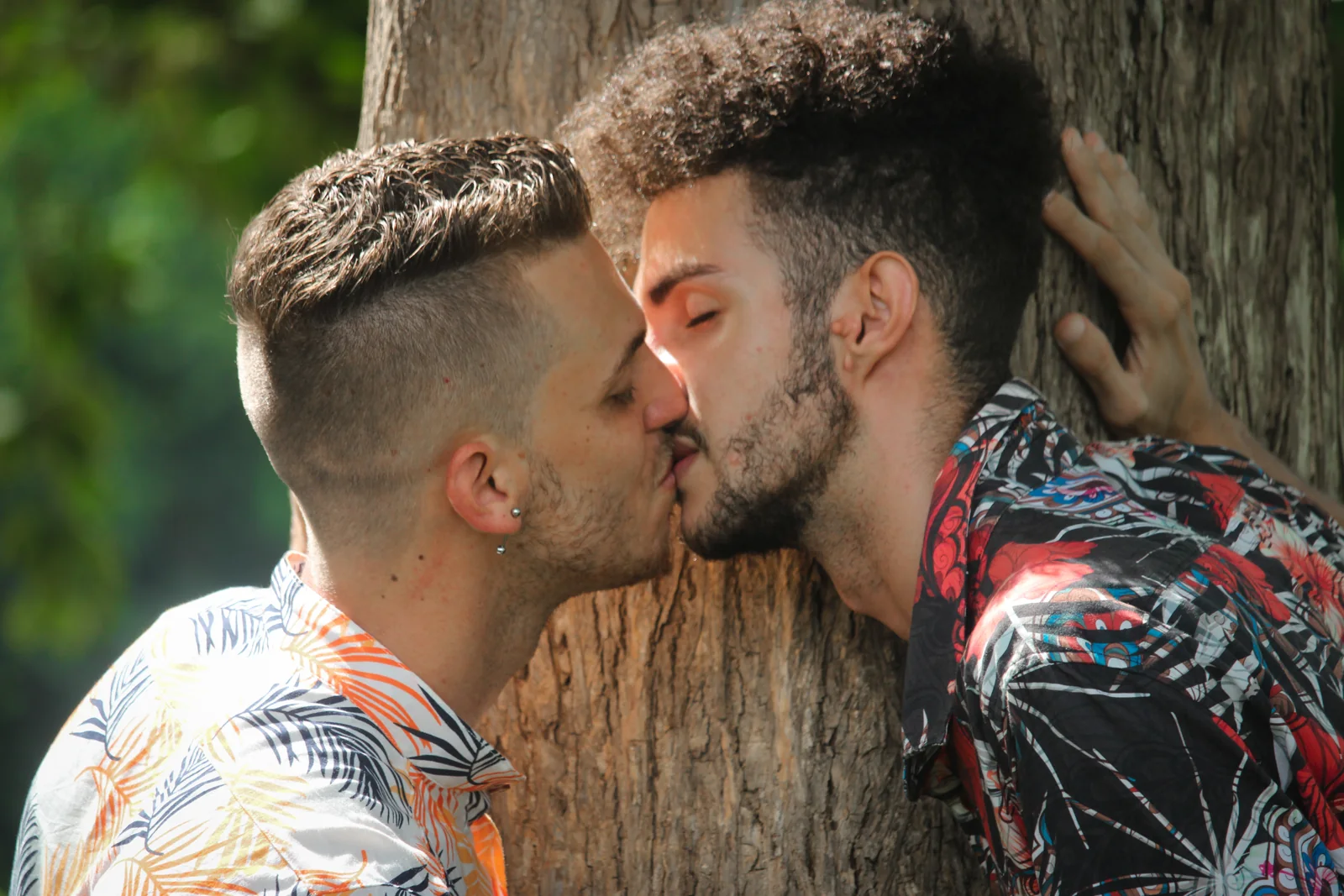
A dating photo does not have to name your orientation to reveal something you intended to keep private. A familiar face, a workplace lanyard, a shared tablet, or a notification on a family phone can connect an LGBTQ+ dating profile with another part of your life. Privacy planning starts with those connections, not with the assumption that one hidden setting makes you anonymous.
LGBTQ+ dating privacy is especially important when you are out to some people and not others. You can want a genuine romantic connection and still control who learns about it. The aim is to make the visibility you choose closer to the visibility your devices, photographs, and dates actually create.
LGBTQ+ Dating Privacy Depends on Who Could Recognize You
Identify the audience you are concerned about before choosing privacy measures. A coworker who knows your face creates a different exposure route from a family member who uses your tablet. A former partner who knows your usernames creates another. "I want privacy" is understandable, but a specific concern produces a more useful plan.
Write the possible connection in one sentence: "Someone could recognize my face," "Someone could read notifications on a shared device," or "A date could tag a photo before I tell my family." Then decide whether to reduce that exposure, delay joining, or accept a level of visibility you understand. No checklist can choose your acceptable risk for you.
Do not equate discretion with permission to mislead a date about commitments or availability. You can keep identifying details private while honestly explaining what kind of relationship you can offer. Alongside dating safety precautions against scams and unsafe meetings, consider how identity and relationship information travels between audiences.
Inspect a Photo as a Collection of Clues
Check more than your face before using a dating photograph. Backgrounds may reveal a street, employer, regular venue, certificate, family picture, or recognizable home. A caption or accompanying biography can supply the missing connection. A photograph that seems anonymous in isolation may become identifying beside an unusual job and neighborhood.
Use a new picture taken in a neutral setting when that suits your privacy needs. Avoid involving children, friends, or relatives in the image unless there is a good reason and their permission. If another person appears, cropping them out may still leave context that identifies the original scene. Taking a suitable photograph is often cleaner than heavily editing a revealing one.
Reusing a public social-media image can make accounts easier to connect through image search. Choosing a different image reduces that particular link; it does not guarantee that people will not recognize you. Avoid promising yourself anonymity from a small change. Decide whether recognition itself would be manageable before presenting a face in a dating context.
Review the Device Before the Profile
Consider who can see the device, browser, and email you use for dating. A private profile on a shared tablet may still create visible browser history, saved login details, open tabs, or email notifications. A phone that other people routinely borrow can expose messages even if the account password is strong.
Where possible, use a device and account environment you control. Inspect notification previews and decide what should appear on a locked screen. Check whether browser tabs, passwords, or email are synchronized to another device. These are general device checks, not claims that a dating service offers particular settings or can conceal its presence from someone with access to your device.
The Electronic Frontier Foundation's password guidance recommends unique passwords and explains how password managers can help. Secure the email used for account recovery too. A password protects a login; it does not prevent a person beside you from reading the screen or seeing an already open conversation. Think about access and visibility together.
Share Contact Details in Layers
Move from an initial conversation to other contact details deliberately. A phone number, social account, or personal email may connect a date to your work, family, or public identity. Ask what the new channel adds before supplying it. Staying in a dating conversation longer can be reasonable when it gives you time to understand the person.
If you move elsewhere, inspect the account as another person would see it. Does the profile photo identify your family? Does a public biography name your employer? Does the username appear on professional accounts? You do not have to erase your online life; you need to understand what a new connection can easily discover.
Say the boundary plainly: "I do not share my social accounts early because different parts of my life are separate." A considerate date may ask when another channel would feel comfortable. Someone who insists that immediate access proves trust is asking you to trade a concrete boundary for an abstract promise. You can decline that exchange without providing a detailed explanation of your circumstances.
Agree About Photos Before the Camera Comes Out
Ask before photographing, posting, tagging, or mentioning a date online. These are separate permissions. A person may enjoy a private selfie and dislike being tagged; another may be comfortable with a public picture but want the caption to omit relationship information. Neither person should have to guess.
An easy question is: "Are photos okay, and should we keep them just for ourselves?" If someone is private about identity, make the agreement specific enough to act on. "No posting or forwarding without asking me first" is clearer than "Please be discreet." Also consider whether an image includes a location or another person who has not agreed to be part of the post.
If a photo is shared without permission, ask for its removal and address what happened before sharing more. Removal may reduce exposure but cannot establish that nobody copied or saw it. Coming out while dating should be your choice; an accidental post should not force you into a wider announcement just to explain it.
Know What BiCupid's Controls Can and Cannot Do
Use product privacy controls as one part of the plan, with realistic expectations about their reach. BiCupid's FAQ says profile hiding is a Premium feature and describes private photos shared with people granted access. Those controls concern visibility within the service. They cannot retract a screenshot or prevent an authorized viewer from remembering what they saw.
Check the settings available to your own membership before assuming a feature is included. If you require a particular privacy measure to feel comfortable joining, verify it before publishing identifying material. A paid feature can be useful, but payment does not make a profile anonymous or remove the human choices of people who view it.
The BiCupid safety and privacy review considers platform controls and their limits more closely. Keep a practical distinction in mind: changing profile visibility does not change a photo already shared elsewhere, a contact detail already given out, or a notification on a device another person can access.
Choose Meeting Places With Identity Exposure in Mind
Pick a first-date venue that supports conversation and independent travel without creating an exposure you have overlooked. A cafe near your workplace may be convenient but full of colleagues. A familiar queer venue may feel welcoming to one person and too visible to another. Discuss both people's circumstances instead of treating one venue as universally appropriate.
Privacy should not push you into a secluded or private first meeting. You can choose a public place outside your regular routine, meet during a quieter period, or keep the first date brief. If the only plan offered depends on going straight to a stranger's home, suggest a different plan or decline.
Share necessary check-in information with a trusted person whose discretion you can rely on. They may not need to know every identity detail to know where you are and when you expect to return. Respectful LGBTQ+ dating includes taking each other's visibility preferences seriously. Ask whether the meeting plan protects both ordinary physical safety and your chosen visibility.
Take a Break Without Assuming Every Trace Disappears
When you stop dating, review the channels and material you created rather than only removing an app icon. Think about your profile, saved browser sessions, email, private photos, and contact details shared outside the service. Decide which relationships you want to maintain and which permissions you want to withdraw where controls allow it.
Ask a date to respect ongoing photo and disclosure boundaries even if you no longer meet. A breakup does not automatically create permission to publish private information. If you receive a threat, preserve the relevant messages when safe and use appropriate reporting or local support. Do not try to resolve serious pressure alone simply because explaining the context feels uncomfortable.
You may decide that a profile is manageable now, or that a later moment would be better. When your device, images, and visibility boundaries support the introduction you want, create a BiCupid profile with information you have chosen deliberately. Start from an exposure you understand, rather than a promise of perfect concealment.